 h
h
Beginning June 1, 2023, any updates to this website
will appear only at
https://psy1.psych.arizona.edu/~bedford.
Prof.
Felice L. Bedford
Department
of Psychology, University of Arizona

Paperback & Tabletl
Kindle reflow
COVIID19 booklet 1
COVID-19 booklet 2
TRIBUTE
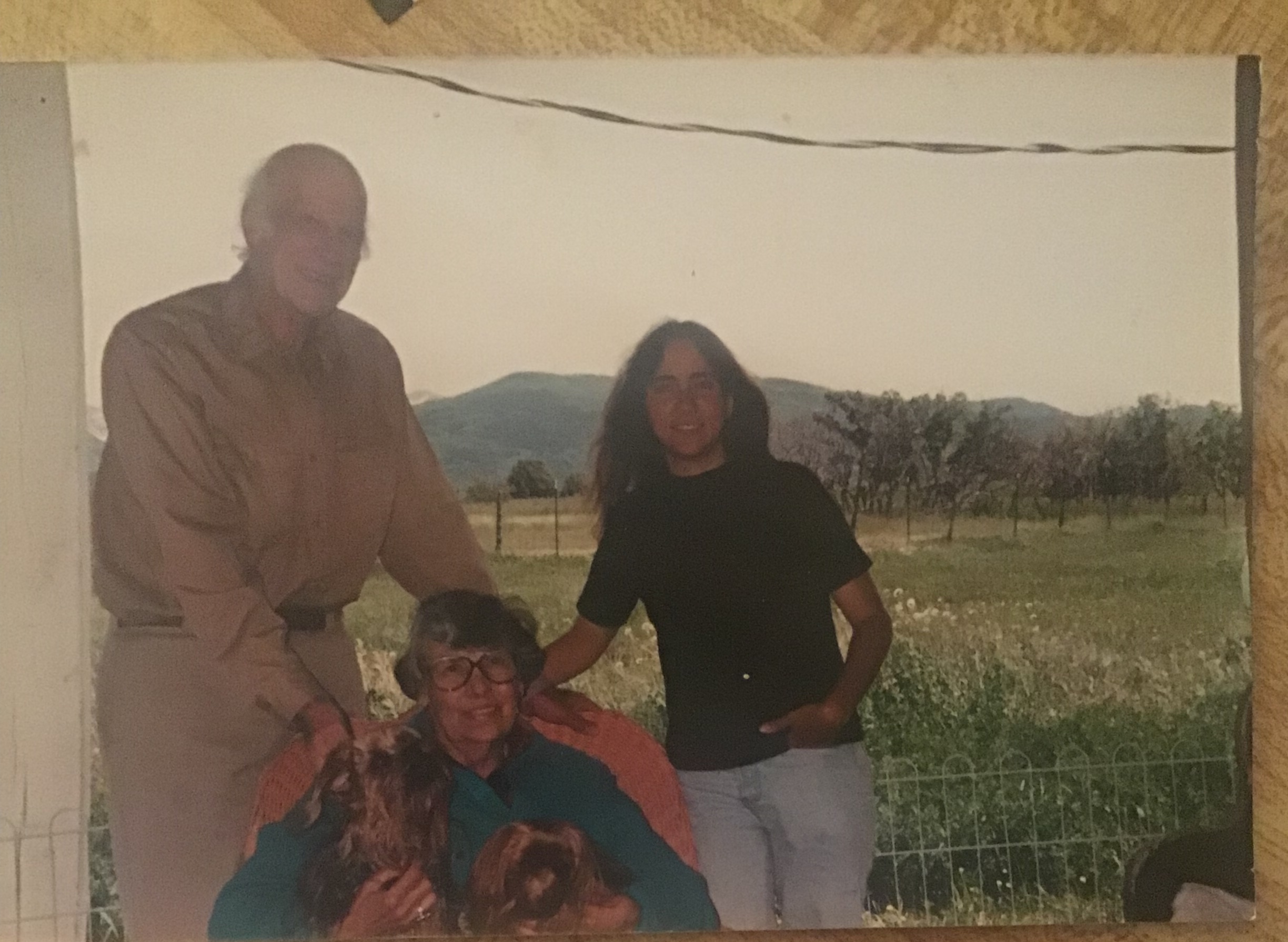
William (Bill) Ittelson (1920-2017)
Univeristy
of Arizona
There's still always someting I want to
tell you about.
Bill Ittelson, Martha Ittelson
(seated), Felice Bedford. (and Sam and Sheeba). Truchas, New Mexico
CONTENTS
.jpg) COVID-19
COVID-19
Research
Teaching
Publications
Me
You
Contact

COVID-19
Very early in the pandemic,I analyzed the genetic sequences of coronavirus (SARS-CoV2)
that were publicly available to see how they
were related to one another. The results
were useful for tracking the geographic origins of an outbreak, keeping track of strains,
and determining the rate of viral mutation. For example, the results suggested
the virus was mutating much more rapidly than had been claimed at the time See links below.
for the trees (neighbor joining networks).
Then starting April 2020, I had gathered evidence
for what I think is the solution, grounded in evolution of the bat, to the
mystery that was growing for the seemingly baffling range of characteristics
that made serious and fatal,
infection COVID-19 more likely, such as being male, obese, a person of
color, and elder, or certain pre-exisiting medical conditions such as
hypertension. I had
to leave the project for a while but got back to it and finished it up in
late Septermber 2020
COVID-19 article, It has been viewed over 2,000 times.
The following year, I elaborated on my COVID-19
severity theory of oxidative stress, especially through NADPH oxidase
levels, and argued for an ancient simple medicinal approach to control of
the virus.
"Old" Tree info with
descriptions:
March 6, 2020
tree
There are 48 publically available sequences. We can see the Illinois/CA 2 cluster may
have been developing there for weeks, something not talked about in the news. Also note the greatest genetic diversity
in the USA is in California; placement in the tree suggests this is not from community
spread but from multiple independent episodes of infection from elsewhere.
March 25, 2020
tree There are now 104 genetic sequences made publically available for
SARS-CoV2 (104) .
Notably absent are USA new sequences, including New York, New Jersey and
Pennsylvnaia. Why aren't these being deposited to Genbank as is standard for genetic
data? Sequences from Valencia are striking with differences from other
regions and each other. Valencia is all the way to the East of Spain, with
Italy next door. Perhaps their sources are Italy whose explosion in cases
may have allowed many surviving variants Note perhaps NY would look
just as diverse, were they to be availailable (most Italy sequences not
available either). This alread;y increaseing diversity of the DNA from
Valencia, whether from Italy or local, raises issue of new more virulent or
deadly strains lurking within and also may limit the time that those
recovered from a COVID-19 infection can enjoy immunity, especially with
travel. Finally, inspecting sequences from USA cruise ship finds many
identical to original Chinese source virus. However, at least one is ve;ry
diffrent and whether this reflects infection not actually from the curise
ship or rapid mutation on the ship itself is unknown.
Back to top
RESEARCH
1)
Genetics in psychology, evolution, and medicine including
viruses,chronic fatigue syndrome, and sickness behavior
2)
Perception applied to "well-being" including mindfulness, guided imagery, and the immune
system as the sixth perceptual sense
3)
Effects of experience on perception and varieties of perceptual learning,
plasticity, and adaptation (including prism adaptation, ventriloquism,
MCCollough Effect, wine tasting (see
book)
4)
Mitochondrial DNA in population genetics,
disease, and energy, especially haplogroup T
5) Genetics of Jewish populations, especially
Sephardim, Conversos, CryptoJews, Mizrahi, Romaniot, Latin Americans, and
merchants along the Silk Road to China
6)
Application of perception to society including expert testimony on cross-racial
perceptual ID
eyewitness identification, "other race
effect"
7)
Parallels between perception of space and time
8) Mathematical
models including perceptual-motor development, pointing in adults, children,
and non-humans, learning, pandemics
9)
Spatial challenges such as getting lost, left-right confusion, trouble
assembling puzzles
10)
The puzzles of “object identity” in perception and cognition (Little-known publication) and the “Not the Liver Fallacy”
Back to top
ME
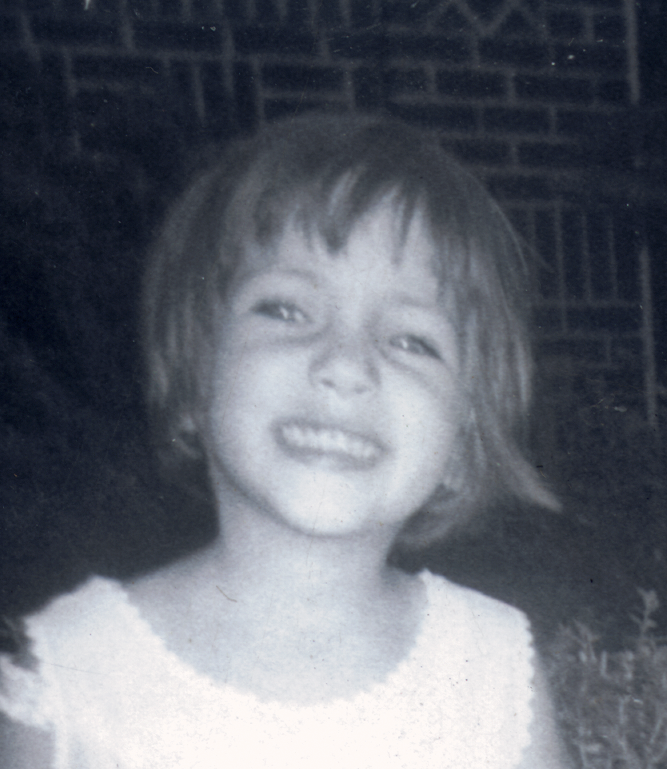
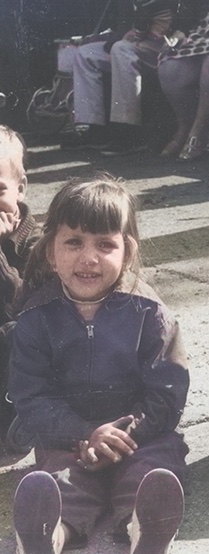
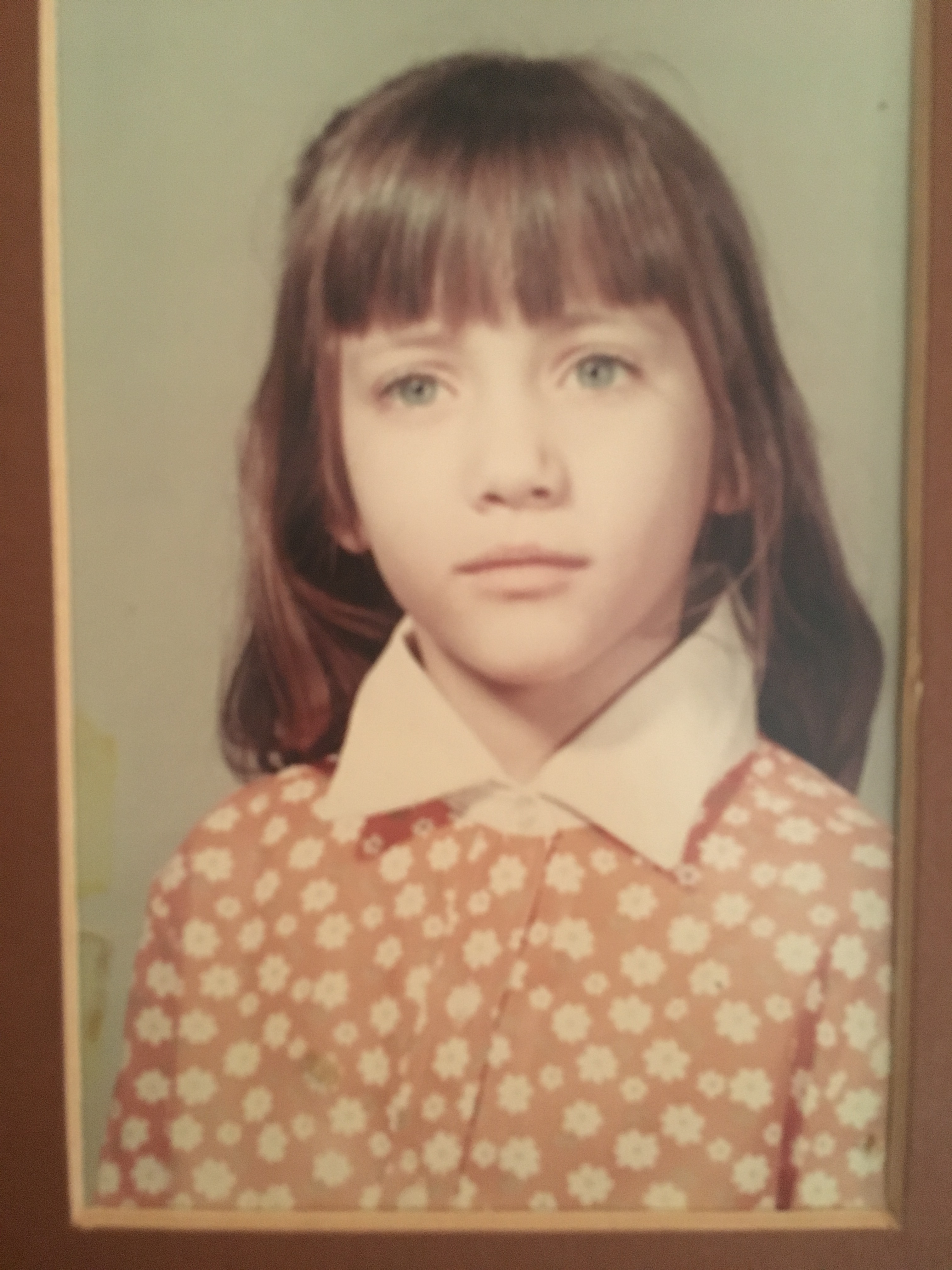
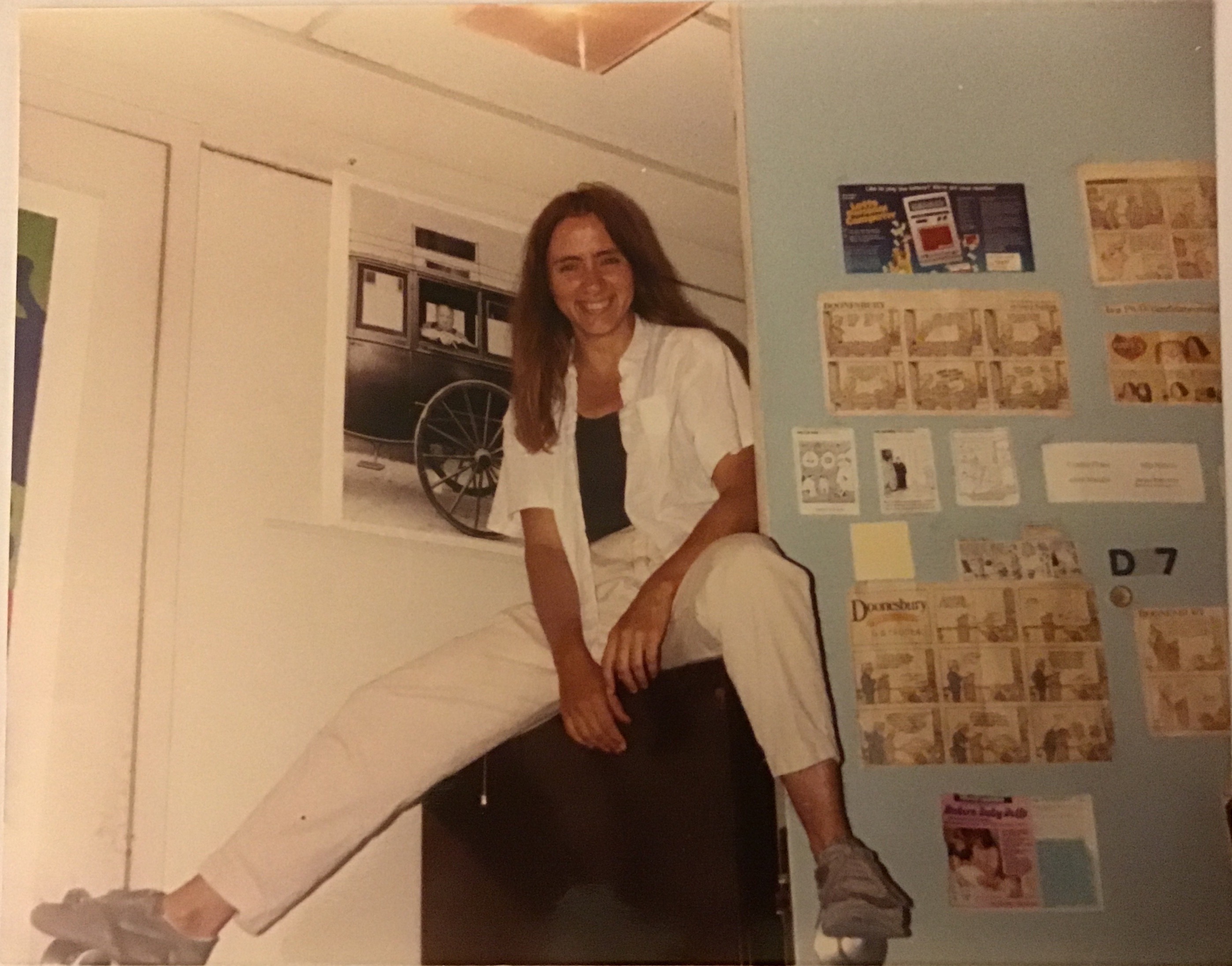
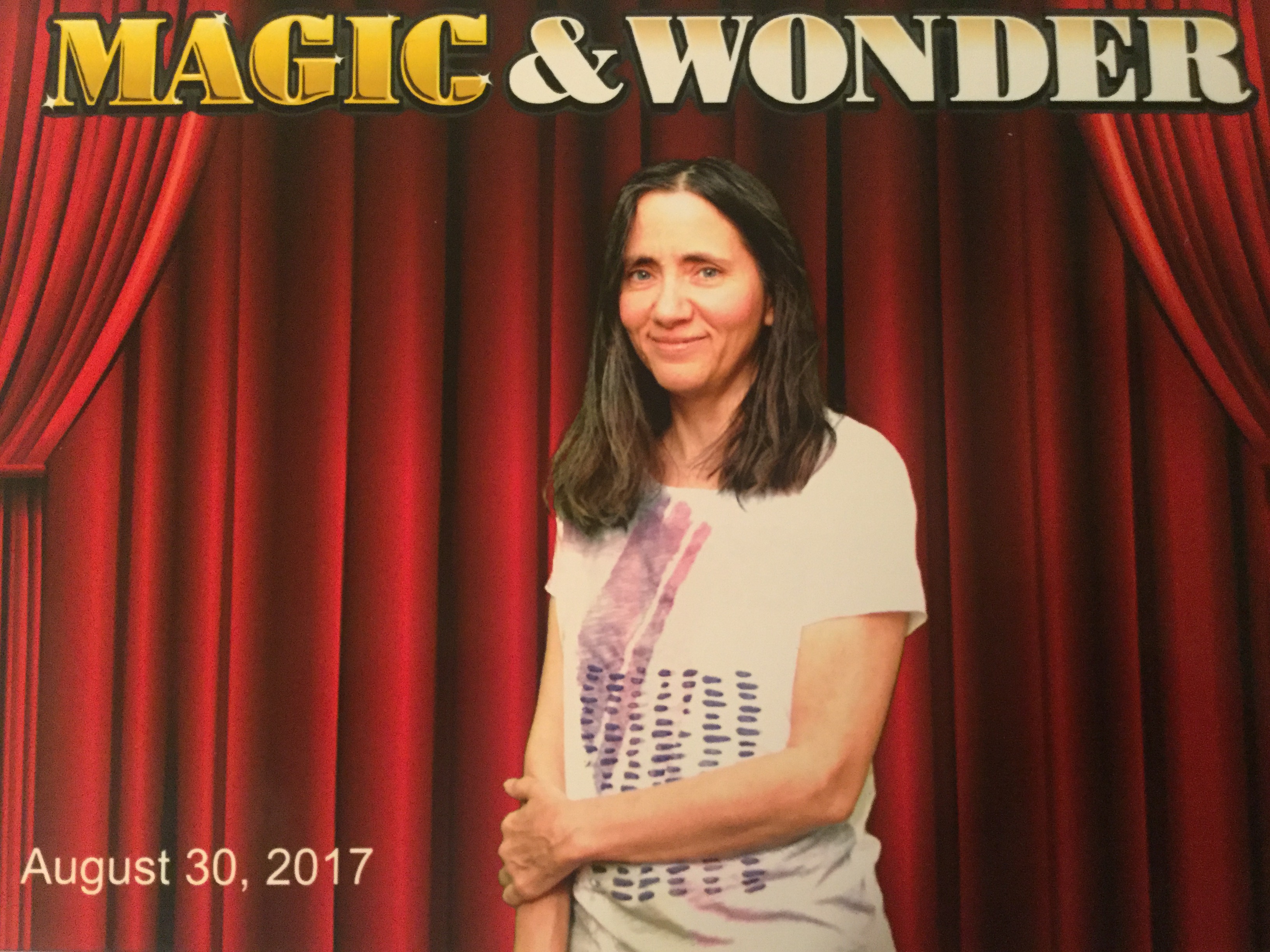
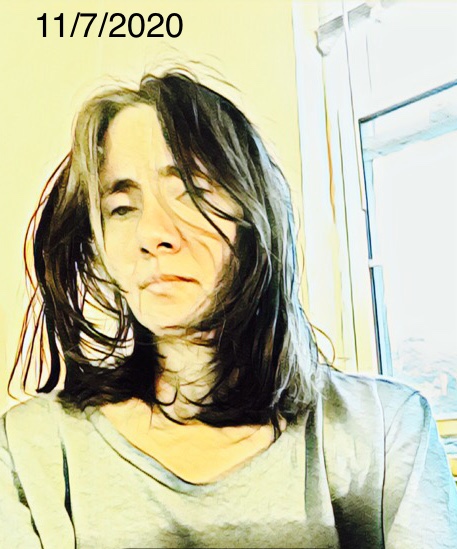
Early photos scanned and or colorized by Bob
Bedford
Dr. Bedford was born in Brooklyn, New York from ancestors in
the Ottoman Empire, Turkey, Grece, Spain, southern Italy, Yorkshire England,
Alsace, and pre-revolutionary USA. Her Ph.D.is from the University of Pennsylvania.

 Ancestry & DNA
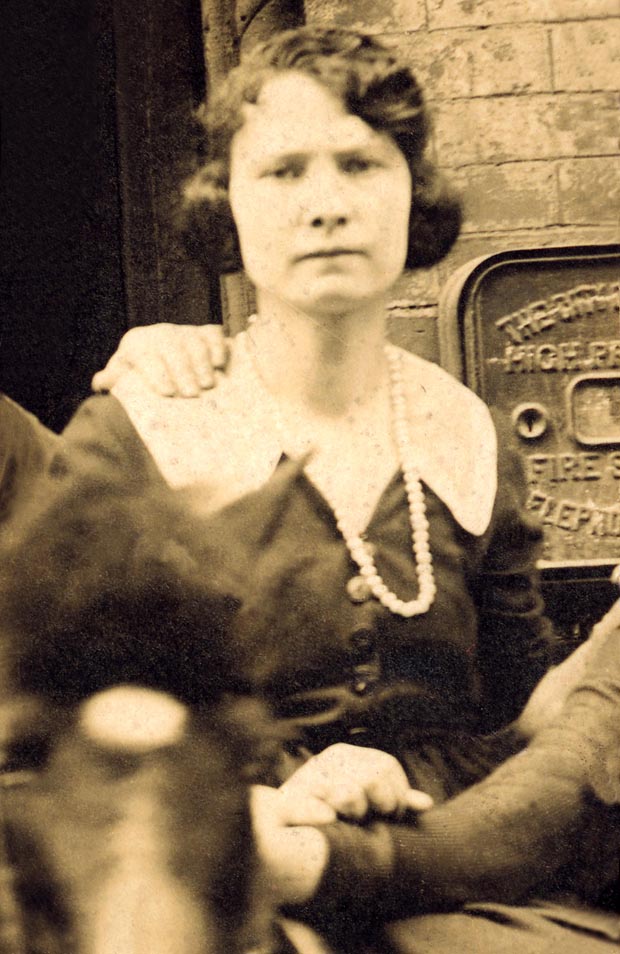
Brooklyn, NY

Back to top
YOU
Do any
of the following describe you?
CONTACT
Took the 23andme
genetic test and have one of the following conditions: Long Covid, Chronic
Fatigue Syndrome (CFS/ME), dysautonomia
Descended
from Isabel de Castro y Figueroa, circa 1570 eho migrated from Spain
to Mexico (or from her daugher Inez de la Cerda y Castro?)
Have mitochondrial DNA
haplogroup T2e
Do
research or are interested in the metabolism of tyrosine, tyramine, other
mono-amines
Interested in using mindfulness meditation and
imagery to heal illness (especially autoimmunity)
AUDIO SAMPLE OF OUR HEALING VISUALIZATION
TRAINING
Knowledge or interest in the gene WNK4
Sephardic or Romaniote and interested in genetic
testing
(Projects
not actively recruiting currently: Hereditary hemochromatosis, no sense of
direction and/or left-right confusion)
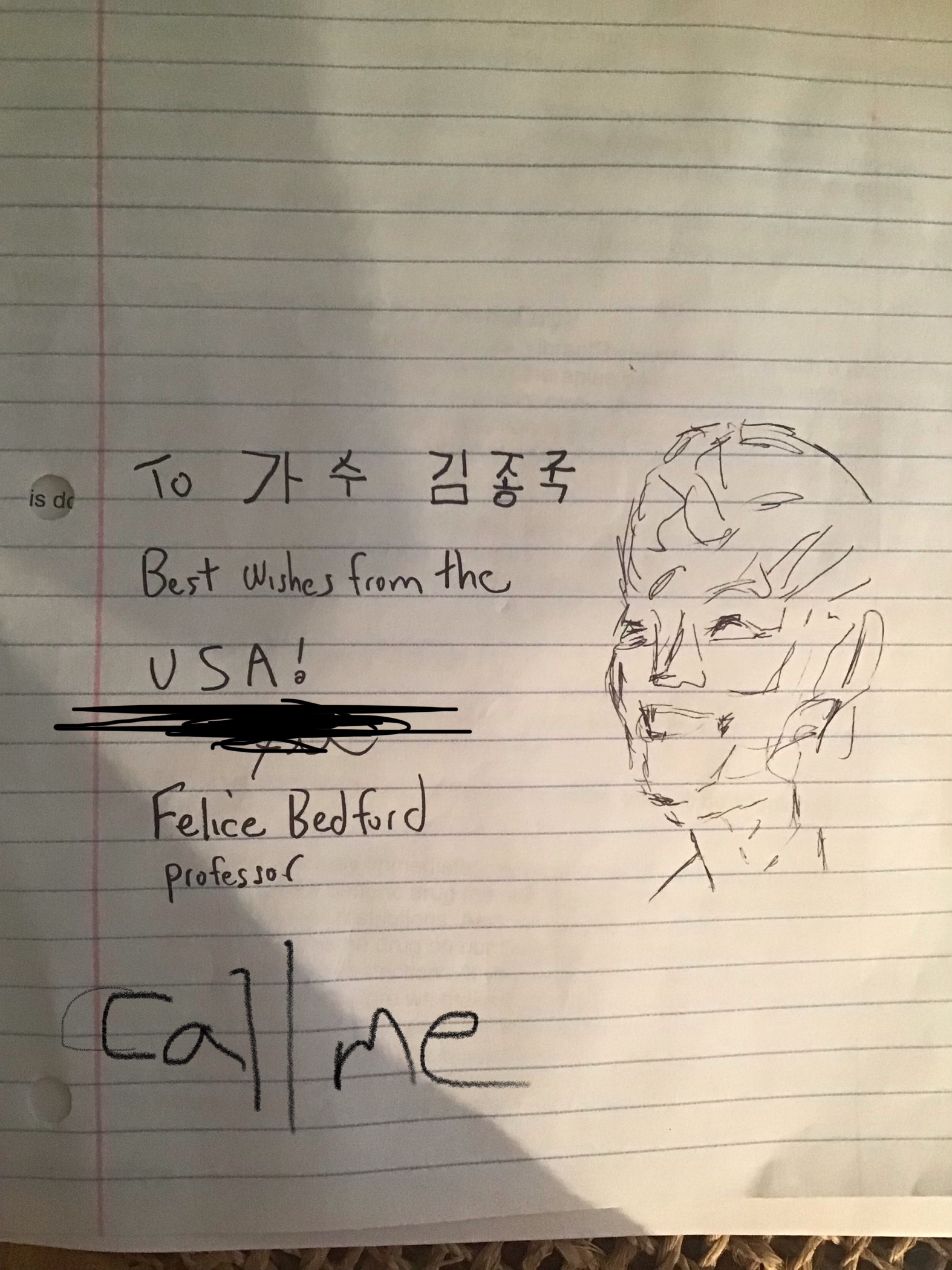
And finally, are you Kim
Jong-Kook?
Back to top
Contact
Information
Email: bedford@arizona.edu
SMail: University of Arizona, Department of
Psychology, PO Box 210068, Tucson, AZ 85721
Web: www.u.arizona.edu/~bedford
Back to top
Teaching
Web
courses: Perceptual Learning, Intro Psych, Genetics in Psychology
Interested
in developing:
Longevity and age reversal
The
brick and mortar version of the Intro Psych course won a creative teaching
award. I estimate I have taught Intro Psych to at least 5,000
students.
Perceptual Learning and
Adaptation
Perceptual Learning
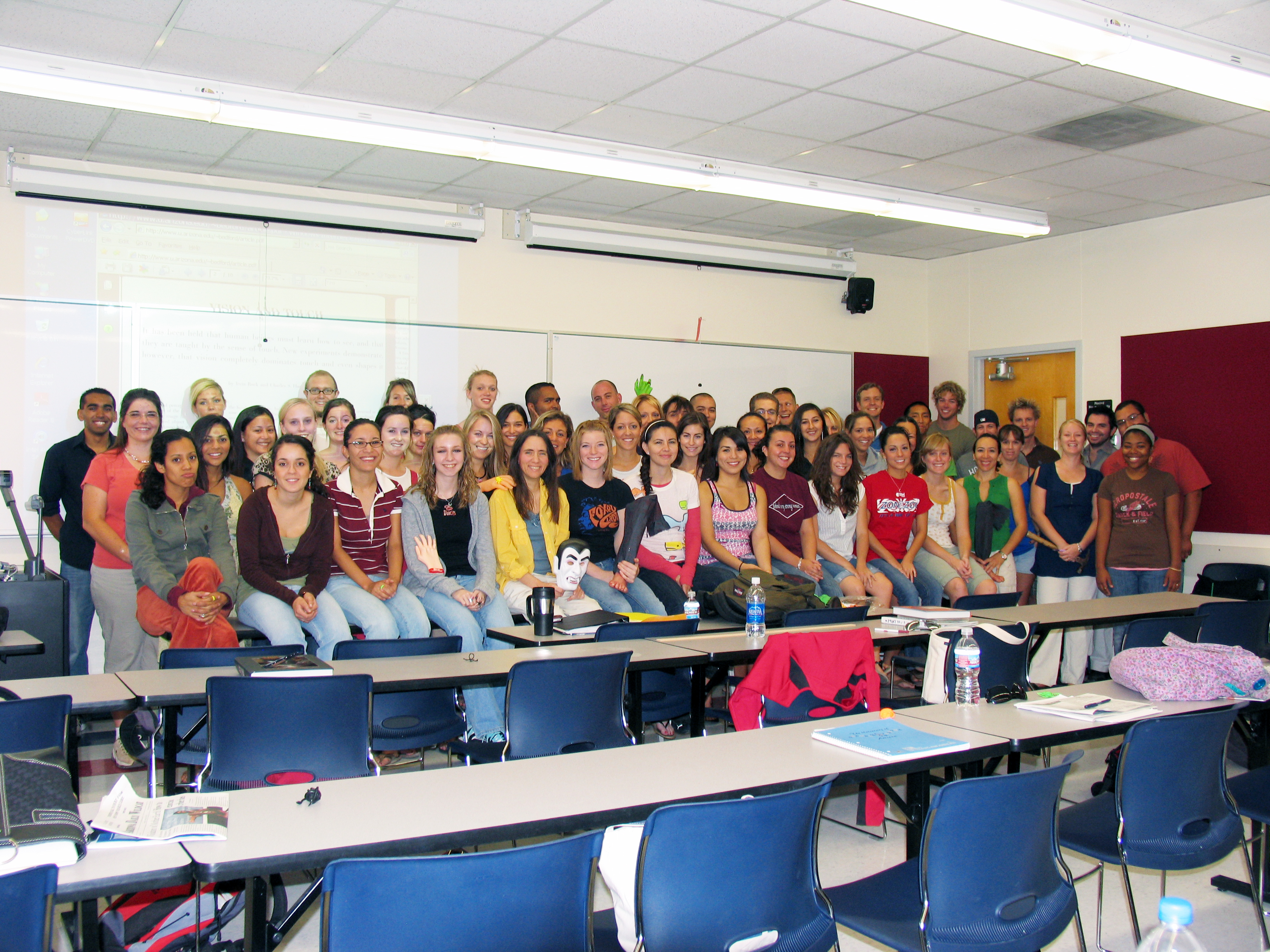
Class Picture
Class Picture -
another class Happy Class
Back to top
PUBLICATIONS
Bedford,
F. L. (2022 Kindle reflow
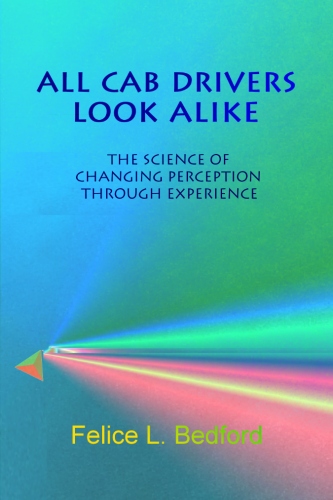
Kindle, 2019 fire tablet, 2013 print edition, all major retailers,). All Cab Drivers Look Alike: The Science of Changing Perception Through
Experience. Tivoli Press. 380 pages, 71 illustrations Print version:
Amazon
Barnes
& Noble Bulk Sales
See
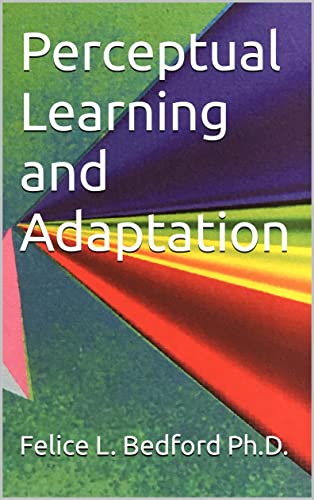
also Percptual Learning and Adaptqation
Fun reviews:
"I haven't had a chance
to actually read your book yet, but it looks fascinating." ALAN ALDA,
award-winning actor, director, and science educator
"Your book was very
inspirational and I kept putting it down to jot down ideas."DR. MARK S.
RIDER, Clinical Psychologist, Texas
"I read the book (Cab
Drivers), really loved it! I especially like how your tone in the book is
casual, a few times I laughed out loud. That is my preferred way of reading and
I bet student's will like it also in the case that it becomes assigned reading
for someone." SABRINA PETERSON, graduate student, University of California,
Riverside
"I was
reading and reading and re reading and it looks like you were writing my mind.
How
curious
and original PEDRO MARTINEZ Info Technologist
Bedford, F L (2021) Removing Fuel from Coronavirus Fire: Blocking Superoxide
with NOX Inhibitor Apocynin. Coronavirus & Infectious Disease Research
eJournal
Click on
download or viiew in browser for the entire article See also
An Argument for White
Peony Root as a Safe, Effective, and Available Treatment (and Prevention) for
Coronavirus (COVID-19) First
online
Bedford, F.L. & Greshake Tzovaras,
B. (2021)
Re-analysis of genetic
risks for Chronic Fatigue Syndrome from 23andMe data finds few remain.
Frontiers in
Pediatrics, Pediatric Neurology,
9 1-4.| 9:590040.doi:
10.3389/fped.2021.590040
Article
without abstract
first online med preprint server:
with
abstract
Bedford,
F.L. 6-degrees of Lassie (2020): The population genetics of the collie dog.
Newsletter of the Collie
Rescue of Southeastern Pennsylvania,
Winter 2020. Reprinted by Collie
Health Foundation, 2021
Collie Rescue
One of the original versions with pictures
Bedford,
F.L. (2019) Jack the Ripper or Ripoff: mtDNA analysis of Jack the Ripper
forensic evidence. Journal of Forensic Sciences
article may be behind paywall contact Dr. Bedford if need a copy
Abstract
A widely publicized study claimed to finally
identify the infamous serial killer Jack the Ripper based on a forensic
analysis using mitochondrial DNA (mtDNA) extracted from a possession of a
victim. However, only control regions of mtDNA were sequenced which greatly
raises the odds of a match to a purported relative from chance alone. In
addition, rather than simply stating
the locations of the DNA polymorphisms or even the number of variants
found as would be expected, they show only confusing crude graphical blocks
that are further misleading about the odds of a chance match and do not
allow independent verification of calculations. The
haplogroup (for example, outlaw Jesse
James is Haplogroup T2) is also
withheld despite its usefulness towards evaluating a claim that the
identified murderer was of Russian Jewish descent, as well as of public
interest that they claim was a purpose
of their report. They attribute all the secrecy to the Data Protection Act
of 2018 but our search of the 354 page document does not preclude (or even
mention) prohibition of publishing at the nucleotide level as claimed and if
it did, hundreds of thousands of mtDNA sequences in publications would be in
violation. Overall, no evidence
is presented from mtDNA to implicate the identity of Jack the Ripper. Even
mitochondrial DNA is innocent until proven guilty.
Bedford,
F.L. (2018) Does
miochondrial DNA T2e reflect traces of Judaism on the "down-low"?
Journal of Phylogenetics & Evolutionary Biology DOI:
10.4172/2329-9002.1000207
Bedford,
F. L. (2017 A prism-adaptation based theory of psychological treatment for
autoimmune disorders. Autoimmune Diseases and Therapeutic
Approaches
Yacobi
& Bedford (2016) Evidence of early gene flow between Ashkenazi Jews and
non-Jewish Europeans in mitochondrial DNA haplogroup H7, Journal of Genetic
Genealogy, 8(1):21-34 Research
Gate
Bedford,
F.L., (2016) Perceptual mindfulness and imagery for chronic pain
and skin disorders in a
busy college population In Merrick, J
(ed.), Health and Human Development, Pain
Management Nova Science Publishers, Chapter 5, 61-72.
Bedford, F.L. (2015).
Perceptual mindfulness and imagery for chronic pain and
skin disorders in a busy college population. Journal of Pain Management, 8 (1), 55-63 article
pdf
in case link behind a paywall
Bedford,
F. L. & Yacobi, D. (2014) On two Jewish clades in mitochondrial DNA. European Journal of Human Genetics. doi:
10.1038/ejhg.2014.231 Online ahead of print, Nov 5, 2014 .article
Bedford, F. L.
(Dec. 22, 2013). Announcement of a new publication on Sephardic genetics. eSefarad: Noticias del Mundo Sefaradi�
article
Bedford, F.
L., Yacobi, D., Felix, G., & Garza, F. (2013). Clarifying mitochondrial DNA
subclades of T2e from Mideast to Mexico. Journal
of Phylogenetics and Evolutionary Biology, 2, 4, 1-8.
article
Bedford, F. L. (2012). A perception theory in
mind-body medicine: guided visual imagery and mindful meditation as cross-modal
adaptation. Psychonomic Bulletin and
Review (DOI: 10.3758/s13423-011-0166-x) article
��
ffull textt
Bedford, F. L. (2012) Sephardic Signature in
Haplogroup T mitochondrial DNA. European
Journal of Human Genetics (DOI: 10.1038/ejhg.2011.200)
article
Bedford, F.
L. (2011) The missing sense modality: The immune system.� Perception, 40, 1265-1267. (DOI:10.1068/p7119). article
Bedford,
F.L. (2011) Mystery of the anti-McCollough Effect. Attention, Perception, and Psychophysics. (DOI:
10.3758/s13414-011-0163-1). article
Bedford, F. L. (November 2011). Imagine your pain
away. Arizona Daily Star,
Science supplement.
newspaper
article scroll to page 529, bottom
Bedford, F.
L. & Mansson, B.� �(2010) Object Identity, Apparent Motion,
Transformation geometry.�
Current Research in Psychology,1,
35-52.
Bedford, F. L. (2007) Is prism
adaptation for growth? Perceptual and
Motor Skills, 105, 351-354.
Abstract
Bedford,
F. L. (2007) Can a space perception conflict be solved using three sense
modalities? Perception, 36, 508-515. Article (html)
Note: footnotes and some
formatting lost in the html version.
Bedford,
F. L. (October 2, 2005). A broken watch is right twice a day. Letter to the
editior, New York Times, Sunday Magazine.
Bedford,
F. L. (2004) Analysis of a constraint on perception, cognition, and
development: One object, one place, one time. Journal of Experimental
Psychology, Human Perception and Performance, 30, 907-912. Article (pdf
file) Article
(html file) ( Abstract
only)
(This
article discusses is there such a constraint? What does it mean to have such a constraint?
What are its implications? When might it arise?)
Bedford,
F. (Sept. 5, 2004). The cost of cost analysis. Letter to the editor, New
York Times, Sunday Business.
Bedford,
F. L. (2003). More on the Not-the-Liver Fallacy: Medical, neuropsychological,
and perceptual dissociations. Cortex, 39, 170-173. Article (pdf
file) or Cortex
website
(This
article is a follow up on my 1997 paper. Both articles argue that inferring
mental organs from dissociations (and double dissociations) leads to false
categories in psychology that would be like inferring we have a physical organ
"not the liver").
Bedford,
F. L. (2002). Generality, mathematical elegance, and evolution of
numerical/object identity. Brain and Behavioral Sciences. Special issue
on the work of Roger Shepard, 24, Article-BBS
website (if link is missing, contact author)
(This commentary on Shepard's classic
paper in part summarizes my theory of numerical/object identity (see below)
Bedford, F. L. (2001). Towards a general
law of numerical/object identity. Cahiers de Psychologie Cognitives/Current
Psychology of Cognition, 20, 113-175. (whole issue with commentaries,
volume 3-4). [Target article] Target
Article (pdf)
Target
article (html file)
(This is a very important article which argues for a new theory that integrates
space perception, time perception, cross modal interactions, apparent motion
and many other issues in perception and cognition. All the phenomena involve a
core issue of how it's decided if two samples originate from the same source or
two different sources).
See
also Table of contents for issue 20, volume 3,4,5 (including titles/authors of commentaries):
Table of
contents (html)
Bedford,
F. L. (2001). Object Identity Theory and the nature of general laws. Cahiers
de Psychologie Cognitives/Current Psychology of Cognition, 20, 277-293. (Reply
to commentaries) First reply
(html) Note: some formatting lost
Bedford,
F. L. (2001) The role of object identity and Klein's geometry in cross-modal
and other discrepancies. . Cahiers de Psychologie Cognitives/Current
Psychology of Cognition, 20, 381-(Reply to additional commentaries) Second reply (html)
Note: some formatting lost
Bedford,
F. L. (1999). Keeping perception accurate. Trends in Cognitive Sciences,
3, 4-12. Article
(pdf)
(This
article is a concise summary of my views on spatial adaptation and how
perception is changed by experience generally.)
Bedford,
F. L. (1997). False categories in cognition: The Not-the-Liver fallacy. Cognition,
64, 231-248. Article (pdf)
(This
article argues that inferring mental organs from dissociations (and double
dissociations) leads to false categories in psychology that would be like
inferring we have a physical organ "not the liver".)
Bedford,
F. L. (1997). Are long-term changes to perception explained by Pavlovian
associations or Perceptual Learning Theory? Cognition, 64, 223-230. Article
(pdf)
(This
is a reply to a published attack on my theory of how experience changes
perception as applied to the McCollough Effect).
McClosky,
M. & Bedford, F. L. (1996) A left-right confusion deficit under dark-room
test conditions. (unpublished)
Bedford,
F. L. (1995). Localizing the spatial localization system: Helmholtz or Gibson? Psychological
Science, 6, 387-388. Article
(pdf) (Asks
which of two spatial localization systems, egocentric or exocentric, goes away
with a spatial deficit.)
Bedford,
F. L. (1995) Constraints on perceptual learning: Objects and dimensions. Cognition,
54, 253-297. Article
(pdf)
(Important
article which presents my theory on the McCollough Effect and other contingent
aftereffects and how they are connected to prism adaptation in a unified theory
of how experience changes perception.)
Bedford,
F. L. (1994) Of computer mice and men. Cahiers de Psychologie Cognitvies/
Current Psychology of Cognition, 13, 405-426. Article (pdf)
(This article uses an
empirical paradigm of writing on a digitizing table, which works like a
computer mouse, to better explore adaptation to visual-motor distortion in 2-D
space rather than 1-D . One question addressed is whether dimensions of space
are independent of one another.)
Bedford,
F. L. (1994) A pair of paradoxes and the perceptual pairing process. Cahiers
de Psychologie Cognitvies/Current Psychology of Cognition, 13,
60-68. Article
(pdf)
(Discusses
how a paradox can be resolved on how perception is ever changed by experience
if all experience comes through perception. Is applied to� cross-modal conflicts
such as aftereffects of ventriloquism effect.)
Bedford,
F. L. (1993) Perceptual and Cognitive Spatial Learning. Journal of
Experimental Psychology: Human Perception and Performance, 19,
517-530. Article
(pdf)
(Shows how different patterns of generalization and learning occur in two
different spatial learning mechanisms- one genuine perceptual adaptation and
the other reflecting a more cognitive system. And more on linear constraints in
perceptual adaptation.)
Bedford,
F. (1993) Perceptual Learning. In D. Medin (Ed.) The Psychology of Learning
and Motivation, 30, 1-60. Article (pdf)
(Important chapter
which lays out my theories of how learning affecting perception compares to other
learning processes and what genuine perceptual change is. Empirical results
from different paradigms summarized. Also covers my Kleinian transformation
geometry work in spatial adaptation and what happens when trying adapting to
mappings that are many to one and distort the topology of space.)
Bedford,
F. L. & Reinke, K. S. (1993) The McCollough Effect: Dissociating retinal
from spatial coordinates. Perception and Psychophysics, 54,
515-526. Article
(pdf)
(This
article shows that a McCollough Effect aftereffect is contingent on retinal
orientation and not spatial orientation of the stimulus when the exposure is
ambiguous, and moreover cannot be made contingent on spatial orientation when the
retinal contingency between color and orientation is removed.)
Bootzin,
R. R., Dikman, Z., Perlis, M., Manber, R., & Bedford, F. L. The McCollough
Effect: A measure of sleepiness. Sleep Research,
Bedford,
F. L. Constraints on learning new mappings between perceptual dimensions. Journal
of Experimental Psychology: Human Perception and Performance,
15, 232-248. Article
NOTE: link may be broken. (Shows how space adaptation is not learning a list of
visual-motor associations and how there is a preference for linear mappings
between visual space and proprioceptive space.)
Other:
Bedford,
F. L. Visual-motor spatial pointing and growth: A mathematical model Abstract
Mansson,
B. E. & Bedford, F. L. Illusory misidentification of human faces Abstract
Bedford,
F. L. & Harvey, E.M. What plasticity is required in development for
pointing in space? Abstract
Bedford,
F. L. & Panagos, M. Perceptual learning in the Other Race Effect.
BONUS�
Jewish
DNA (pdf)
Back to top